
What Is an Elective Ultrasound? | The Non-Diagnostic 3D/4D Experience Explained
You’ve heard the term. Maybe your OB mentioned it in passing. Maybe you saw it on a studio’s website. Maybe a friend just said “you have to do one” and you nodded along without fully understanding what “one” was.
“Elective ultrasound.” “Non-diagnostic ultrasound.” “Keepsake ultrasound.” “Boutique ultrasound.”
Four names for the same thing. And if you’re confused, you’re not alone. The terminology is terrible. The medical system doesn’t explain it. And most studio websites assume you already know what they’re talking about.
So let’s fix that. Here’s what an elective ultrasound actually is, how it differs from what happens at your doctor’s office, and why hundreds of thousands of parents choose to have one every year.
The Simple Definition
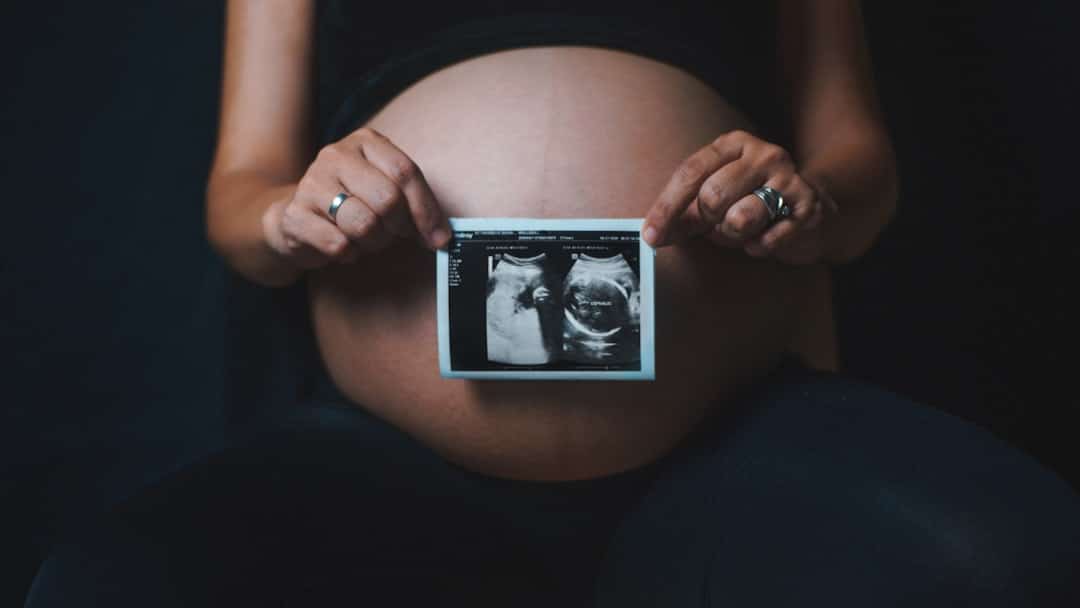
An elective ultrasound is a non-medical imaging session that captures 3D still images, 4D live video, or both – of your baby, in the womb, for keepsake purposes only.
You choose to have it. It’s not ordered by a doctor. It’s not covered by insurance. It doesn’t diagnose anything, measure anything, or assess anything. It exists for one reason: so you can see your baby’s face before they’re born and walk out with photos and video you’ll keep forever.
That’s it. That’s the whole thing.
How It’s Different From a Medical Ultrasound
You’ve already had at least one medical ultrasound. Probably two. The one where you lay on a table while a technician clicked around silently for ten minutes, then said “I’ll send these to your doctor” and left the room.
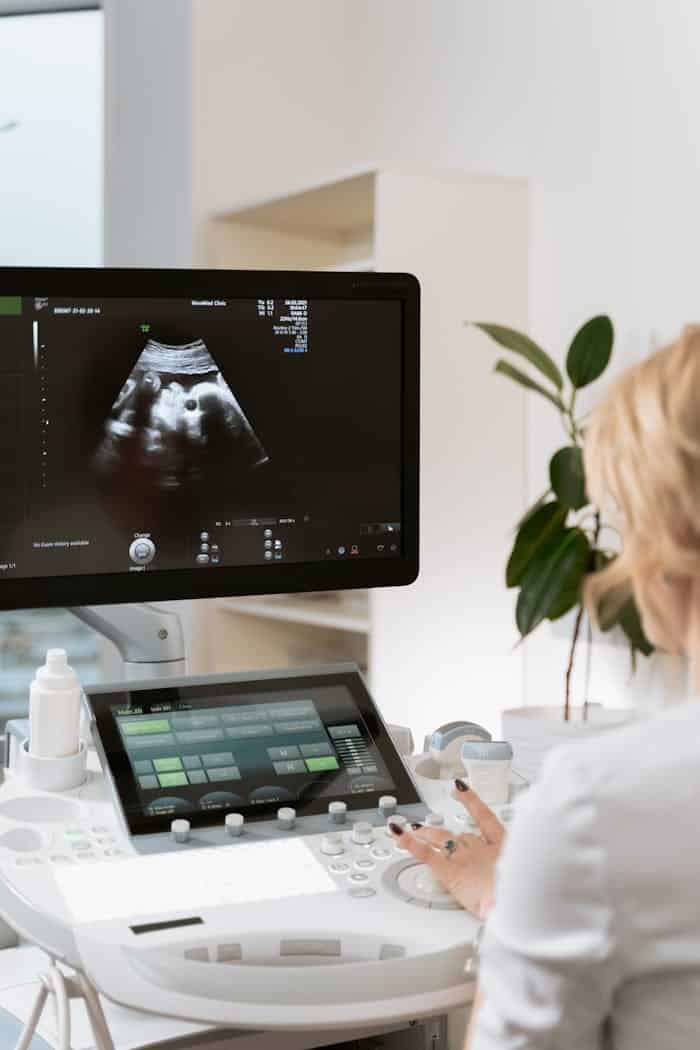
That was a diagnostic scan. Its purpose was medical: measure growth, check anatomy, confirm due date, look for abnormalities. The images were grayscale 2D cross-sections – medically useful, emotionally underwhelming. You squinted at the screen and nodded when someone pointed at a blob and called it a head.
An elective ultrasound is the opposite of that experience in almost every way.
| Medical Ultrasound | Elective (Keepsake) Ultrasound | |
|---|---|---|
| Purpose | Diagnose, measure, assess | Capture images and video for keepsakes |
| Who orders it | Your doctor or midwife | You |
| Insurance | Usually covered | Never covered |
| Images | 2D grayscale cross-sections | 3D still photos, 4D live video |
| What you see | Organs, bones, measurements | Your baby’s face, hands, movements |
| Room setup | Clinical, fluorescent lights | Comfortable, dim lighting, big screen |
| Who can come | Sometimes restricted | Partners, kids, grandparents welcome |
| Duration | 10-15 minutes | 20-30 minutes |
| What you leave with | A report for your doctor | Photos, video, heartbeat recording, keepsakes |
Same technology at its core – sound waves creating images – but completely different goals and completely different experiences.
Why Parents Choose Elective Ultrasounds
People don’t get elective ultrasounds because they need medical information. They get them because they want something else entirely.
Bonding before birth. You feel the kicks. You watch your belly move. But you can’t picture the face. A 3D ultrasound bridges that gap – suddenly there’s a nose, cheeks, a little chin. It makes the abstract real. Parents walk out feeling closer to their baby than they did walking in.
Sharing the experience. Pregnancy is something the mother experiences directly. Everyone else – partners, grandparents, siblings – is on the outside. An elective ultrasound brings them in. They sit in the same room, watch the same screen, see the same face. It’s a shared moment in a process that can otherwise feel isolating.
The keepsakes. Medical ultrasounds give you a printout – maybe two if you’re lucky – of a grainy 2D image you’ll squint at for nine months. Elective studios give you digital galleries, video files, heartbeat recordings, sometimes physical products like stuffed animals with your baby’s actual heartbeat inside. These are things you keep for decades.
Peace of mind (of a certain kind). Let’s be clear: an elective ultrasound is not a medical checkup. It won’t tell you if your baby is healthy. But seeing them move on screen, watching their heart flicker, counting fingers and toes – it’s reassuring in its own way. A different kind of reassurance than what your OB provides, but real nonetheless.
Gender determination. Some parents book elective ultrasounds primarily to find out the sex earlier than the anatomy scan allows. A medical anatomy scan happens around 20 weeks. An elective studio can often determine sex as early as 16 to 22 weeks. For parents who can’t wait, that six-week difference is enormous.
The Terminology Problem
Part of why this is confusing is that the industry can’t agree on what to call itself. Different studios use different terms – and they all mean essentially the same thing.
Elective ultrasound – The most common and accurate term. “Elective” means you choose to have it. It’s not medically necessary.
Non-diagnostic ultrasound – Emphasizes what the session is NOT. Not a diagnosis. Not a medical assessment. Just images for you to keep. This is the term we prefer at Baby Bear 3D because it makes the distinction clearest.
Keepsake ultrasound – Focuses on what you’re getting: keepsakes. Photos, videos, memories. This term resonates emotionally with parents.
Boutique ultrasound – Emphasizes the experience: comfortable, personalized, not clinical. Common in larger markets. Can sound a little precious, but the core meaning is the same.
3D/4D ultrasound – Refers to the technology, not the purpose. 3D = still dimensional images. 4D = live dimensional video. Most elective studios offer both.
All of these terms describe the same basic service: non-medical imaging for the purpose of seeing your baby and creating keepsakes.
Is It Right For You?
An elective ultrasound isn’t for everyone, and that’s fine.
You might love it if: You want to see your baby’s face before delivery. You want your partner or family to share in the pregnancy visually. You’re sentimental about keepsakes – photos, videos, heartbeat recordings. You want to find out the sex earlier than 20 weeks. You’re looking for a joyful pregnancy experience that’s about bonding, not medicine.
You might skip it if: You’re uncomfortable with any non-medical ultrasound exposure (even though the safety evidence is strong). Budget is tight – these aren’t covered by insurance. You’d rather wait and meet your baby in person. You find the idea emotionally overwhelming rather than exciting.
There’s no wrong answer. It’s elective for a reason – you choose it if you want it, you skip it if you don’t.
What to Expect at a Minnesota Elective Ultrasound Studio
If you decide to book, here’s what the experience actually looks like.
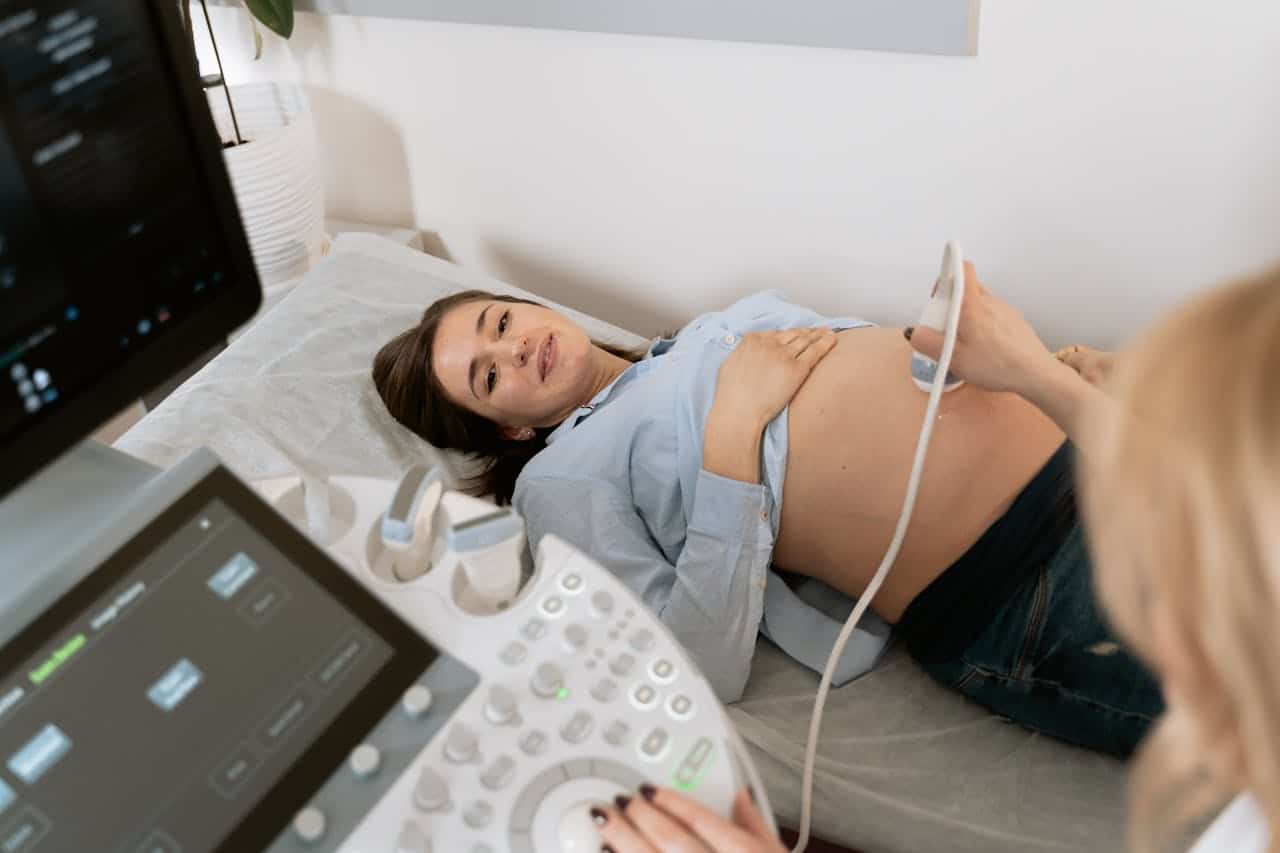
You’ll arrive at a studio – not a medical building. The lighting will be soft. The seating will be comfortable. There will be a big screen positioned where everyone in the room can see it.
You’ll recline in a chair, not lie flat on a table. Warm gel goes on your belly. The sonographer moves the transducer around, looking for the best angles. The whole thing takes 20 to 30 minutes.
You can talk the whole time. Ask questions. Laugh when the baby does something funny. Cry when their face appears on screen. (People cry. It’s normal. We have tissues.)
At the end, you’ll receive whatever your package includes – digital images, video files, printed photos, heartbeat recordings. You walk out with keepsakes in hand, not a report for your doctor.
It’s calm. It’s joyful. It’s the opposite of a medical appointment. That’s the whole point.
The One Thing We Always Say
Baby Bear 3D provides non-diagnostic elective ultrasounds. We do not check your baby’s health. We do not replace your OB, your midwife, or your maternal-fetal medicine team. If you have a medical question, call your doctor. If you want to see your baby smile, come see us.
Those two things live in different buildings for a reason.
If you’re in the Brainerd lakes area – Baxter, Nisswa, Crosby, Pequot Lakes, or anywhere in central Minnesota – and you’re curious about what your baby looks like in there, we’d love to show you. No medical purpose. No diagnostic claims. Just your baby, up close, probably making a face you’ll recognize when they’re born.