

is 3D Ultrasound Safe During Pregnancy? What Research Actually Says
You’ve probably done this: it’s late, you’re pregnant, and you’re Googling “is 3D ultrasound safe” while your partner sleeps next to you.
Maybe a friend said something. Maybe your mom raised an eyebrow when you mentioned it. Maybe you just want to be absolutely sure before you book an appointment. Whatever brought you here, the anxiety is real – and frankly, it’s good parenting. You’re supposed to worry about what goes near your baby.
So let’s talk about it honestly. Not with medical jargon. Not with scare tactics. Just what the research says, what the risks actually are, and why studios like ours are comfortable doing this work every single day.
The Short Answer
Yes. 3D and 4D ultrasound, when performed by a trained professional using properly maintained equipment, is considered safe. There is no evidence that diagnostic or keepsake ultrasound causes harm to a developing baby.
But – and this matters – “safe” doesn’t mean “anything goes.” The technology uses sound waves, not radiation. It doesn’t heat tissue the way an X-ray or CT scan does. It’s been used in obstetrics for over 50 years, on millions of pregnancies, without a documented case of fetal harm from standard use.
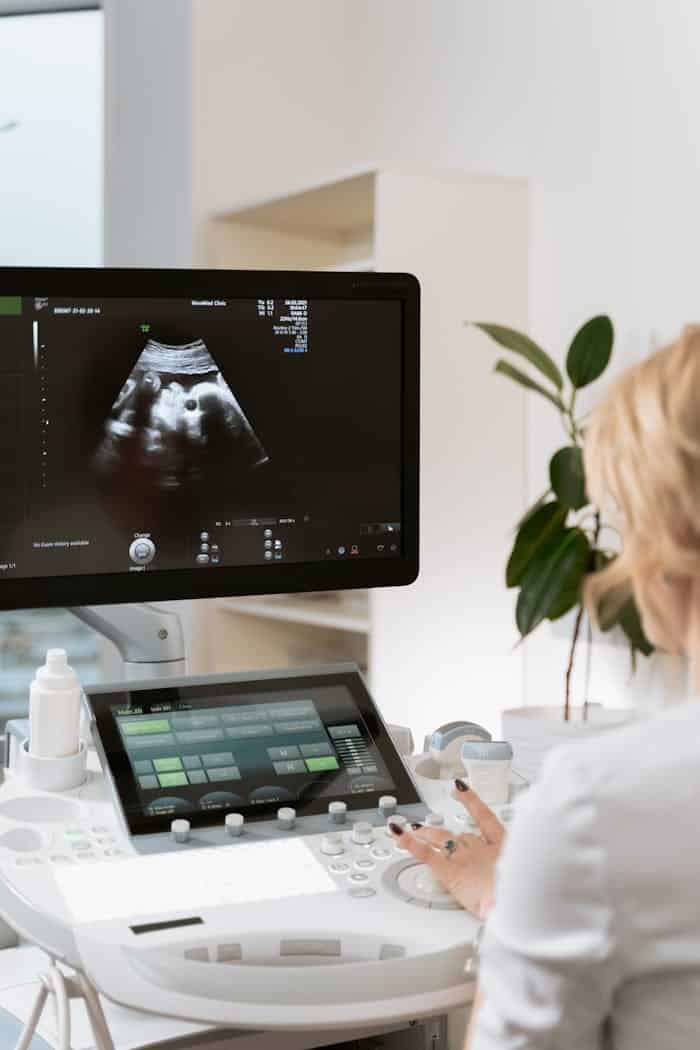
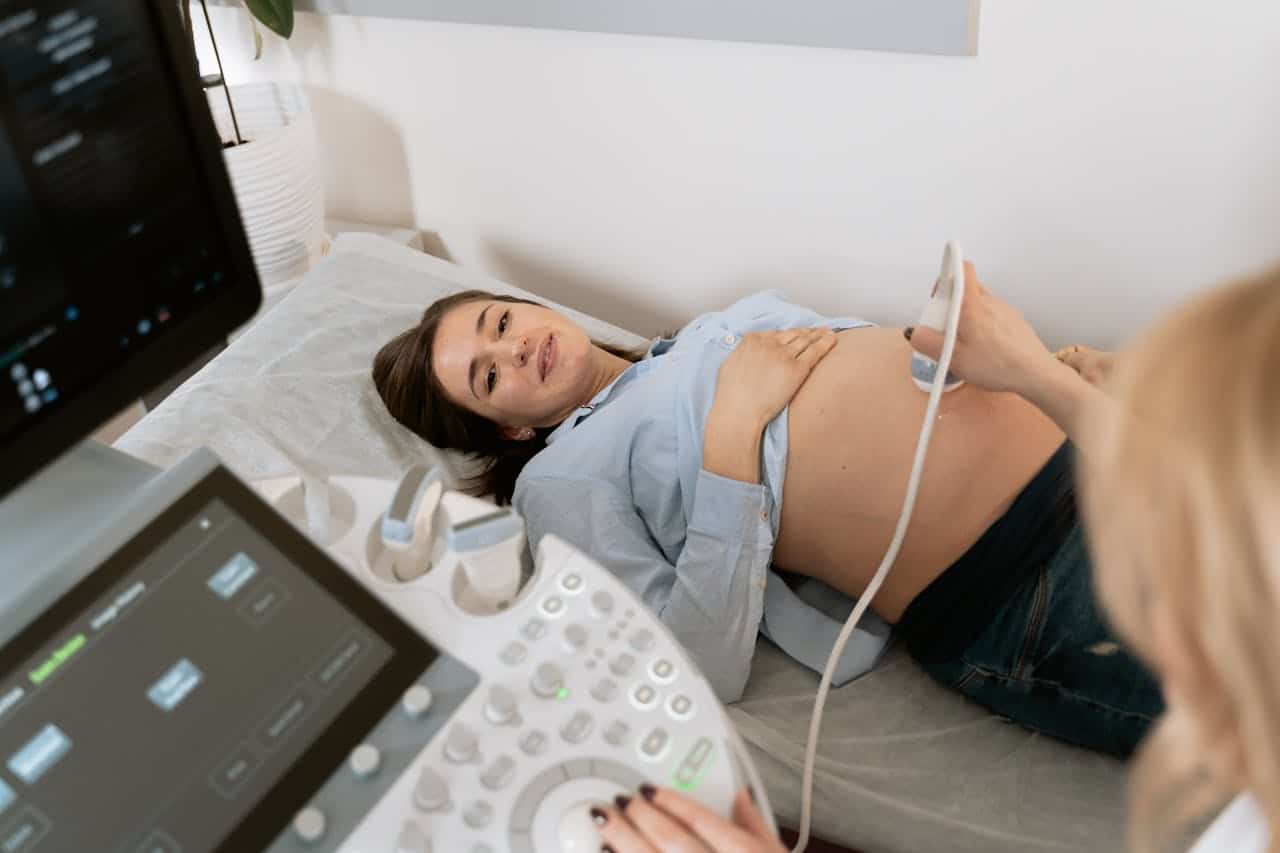
The longer you hold the transducer in one spot, the more energy you’re delivering to that spot. That’s where the nuance lives. A trained sonographer knows to keep the transducer moving, to limit scan time, to monitor the thermal index. An untrained operator at a pop-up studio in a strip mall might not.
The operator matters more than the technology. Our Stenographer has 30+ years of experience in this field, so rest assured; you and your baby are in the best hands possible. Let the Baby Bear 3D team answer any questions you might have
What the FDA Actually Says
The FDA has weighed in on this, and their position gets quoted selectively by people on both sides of the argument. Here’s what they actually say – not cherry-picked, not fear-mongered.
The FDA states that ultrasound imaging is generally considered safe when used by appropriately trained health care providers. They caution against “keepsake” or “entertainment” ultrasound imaging that is performed without a medical indication (which is why we REQUIRE any clients to have prenatal doctors), primarily because:
- The person operating the equipment may not be properly trained
- The session may last longer than medically necessary
- The equipment may not be properly maintained
- There’s no medical benefit to balance against any theoretical risk
Notice what’s NOT in that list: “Ultrasound is dangerous.” “3D imaging harms babies.” “Never do this.” The FDA’s concern is about unqualified operators and unnecessary exposure – not about the technology itself being harmful when used properly.
The American College of Obstetricians and Gynecologists takes a similar position. Ultrasound is safe when used appropriately. The concern is misuse, not use. We require all our clients to have a primary care prenatal doctor, not for our safety, but yours and your babies.
The Numbers That Matter
Here’s what decades of research tell us about ultrasound safety:
- Millions of scans. Ultrasound has been used in obstetrics since the 1970s. Millions of babies have been scanned – medically and electively – without evidence of harm.
- No radiation. Unlike X-rays or CT scans, ultrasound uses high-frequency sound waves, not ionizing radiation. The sound waves bounce off tissue and create images. That’s it.
- Minimal heating. Ultrasound can theoretically cause tiny amounts of tissue heating if the transducer is held in one spot for an extended period. In practice, a trained sonographer keeps the probe moving and limits time in any one position. The heating effect is negligible in a standard 20 to 30 minute session.
- No cavitation risk in obstetrics. Cavitation – the formation of tiny gas bubbles in tissue – is a theoretical concern with very high-intensity ultrasound. It’s not a practical concern at the frequencies and intensities used in obstetric imaging.
The bottom line: in over 50 years of clinical use, there is no documented evidence of fetal harm from properly performed ultrasound imaging. None.
Still have worries?
You’ll find articles online that sound alarming. “FDA warns against keepsake ultrasounds.” “The hidden risks of boutique ultrasound studios.” “Why you should never get a 3D ultrasound.”
Most of these articles exist because fear drives clicks. But some of the concern is legitimate – it’s just usually aimed at the wrong target.
The real risk isn’t the ultrasound technology. It’s an unqualified person holding the transducer.
A reputable elective ultrasound studio employs trained sonographers who understand the physics, the equipment, and the safety protocols. They know what ALARA means (As Low As Reasonably Achievable – the principle of minimizing exposure). They know how to read the thermal index and mechanical index on their equipment. They know when to stop and reposition.
A bad studio hires someone who took a weekend course and mostly understands which button takes the picture.
The difference matters. If you’re considering a 3D ultrasound, ask about the sonographer’s training. A good studio will answer that question directly and proudly. A bad studio will dodge it.
One More Thing: Non-Diagnostic Means Non-Diagnostic
This is important enough to say clearly.
Baby Bear 3D provides non-diagnostic, elective ultrasounds. We do not check your baby’s health. We do not measure growth. We do not look for abnormalities. We do not determine position for delivery. We do not replace your medical care in any way.
Why does this matter for safety? Because sometimes parents assume that if someone is scanning their baby, they must be checking everything. They’re not. An elective ultrasound studio captures images and video for keepsake purposes only. Your OB, your midwife, your maternal-fetal medicine specialist – those are the people responsible for your baby’s health.
If you have a medical concern, call your doctor. If you want to see your baby smile, come see us. Those are two completely different visits.
What We Do Differently
Every ultrasound studio says they’re safe. Here’s what actually matters when you’re comparing:
Sonographer training. Our sonographers are formally trained in obstetric ultrasound. They understand the physics, the safety parameters, the anatomy. This isn’t a side gig they picked up last month, but a career that have practiced for 30+ years. Each.
Session length. We book enough time that we’re never rushing. But we also don’t let sessions drag on indefinitely trying to get a perfect shot. There’s a balance – enough time for great images, not so much time that exposure becomes a concern.
Equipment maintenance. Our transducers and systems are professionally maintained and calibrated. We’re not running decade-old equipment that’s never been serviced.
The ALARA principle. Everything we do follows ALARA – As Low As Reasonably Achievable. We use the lowest power settings that produce good images. We keep the scan time reasonable. We move the transducer continuously rather than parking it in one spot.
Most parents don’t know to ask about these things. That’s fine – it’s our job to do them whether you ask or not.
The Only Question That Matters
If you take one thing away from this, make it this: the question isn’t “is 3D ultrasound safe.” The question is “is THIS studio safe.”
The technology is sound. The training of the person operating it is what you’re actually vetting.
Ask about their sonographers. Ask about their equipment. Ask about their session protocols. A good studio will answer openly. A studio that gets defensive or vague is telling you something – just not with words.
At Baby Bear 3D, we’re comfortable answering these questions because we know our answers are good ones. If you’re in the Brainerd lakes area – Baxter, Nisswa, Crosby, Pequot Lakes, or anywhere within driving distance – and you want to see your baby before they’re born, we’d love to help you do it safely.
Your baby’s first photo shoot should be joyful. It should also be safe. Those two things aren’t in conflict. Not when the studio knows what it’s doing.